




Explore insights for smarter living and better protection.

  • Find the Best Texas Home Insurance Deals Online Today

    Finding the right home insurance in Texas is easier than ever before. With numerous options available online, homeowners can secure the best protection for their property without leaving the comfort of their couch. The internet offers a world of convenience and transparency, allowing users to quickly compare deals. As severe weather and property risks remain real concerns in Texas, having reliable home insurance is a must. Searching online will enable you to see prices, policy details, and customer reviews all in one place. By knowing what to look for and how to compare, you can confidently choose a policy that fits your needs and budget.

    Why Shopping for Texas Home Insurance Online Matters

    Shopping for home insurance online gives you access to more information than traditional methods. Dozens of Texas insurance companies now provide easy-to-navigate websites where you can review coverage options. You can read about what the carrier includes in each policy and check out customer feedback, which helps you feel confident in your choice. Online tools also allow you to request quotes in real-time, enabling you to compare prices side by side. Instead of making phone calls or visiting offices, you may do everything at your convenience. When you shop online, you also have more time to read the fine print and ask questions before making a commitment.

    Comparing home insurance online helps you save money and time. Many providers offer special online discounts or promo rates for new customers who buy through their website. You can enter your information once and receive multiple quotes from different companies, making it easy to identify the best deal. Transparency is another key advantage, as online platforms often include detailed breakdowns of what each policy covers. Reviews from other customers are just a click away, giving you insight into the company’s reputation and claims process. Instead of relying on one agent’s advice, you can make an informed decision based on your research.

    Online shopping also gives you more control over the process. You can take as long as you need to understand your options and compare policies without any pressure. Many Texas insurers now offer online chat support or virtual agents to assist you with questions. This technology makes it easy to clarify any confusing terms or conditions before you sign up. With the right tools and information, you can avoid common pitfalls and find a policy that meets both your coverage needs and budget preferences. The convenience of the internet has truly changed the way homeowners shop for insurance.

    Key Factors to Compare When Choosing a Policy

    Coverage options are the first thing to consider when comparing Texas home insurance policies. Each insurer offers different levels of protection, so it is essential to know what they include. Look for policies that cover damage from storms, fire, theft, and other common risks in your area. Some plans may also include additional living expenses, which help cover the costs of temporary housing if your home becomes uninhabitable. Always check the policy limits and exclusions to ensure you have not left yourself with unexpected expenses after a claim.

    Price is another key factor to consider when evaluating home insurance deals online. Make sure to compare the total cost of each policy, including deductibles and any optional add-ons. Sometimes, a lower premium means higher out-of-pocket costs later, so balance affordability with adequate coverage. Discounts can make a big difference, so look for providers offering savings for new customers, bundled policies, or home safety upgrades. Reading the fine print helps you avoid surprises and ensures you get the best value for your money. Customer reviews and ratings also offer a good indication of how the insurer handles claims and provides customer service.

    The reputation and financial stability of an insurance company are also crucial. Choose insurers that have strong ratings from independent agencies and positive feedback from Texas homeowners. You want a provider that will be there when you need them, especially during emergencies. Check how easy it is to file a claim online and what the average response time is. Accessibility and clear communication can make a big difference when you need help quickly. By comparing these key factors, you can find a reliable policy that protects both your home and your peace of mind.

    Tips for Getting the Best Home Insurance Deals

    Start your search early to take advantage of the broadest range of options and the best rates. Many insurers reward early shoppers with lower premiums or special incentives. Use comparison websites to gather multiple quotes at once, saving time and providing a comprehensive view of your options. Update your home features and security measures, as insurers often offer discounts for newer roofs or alarm systems. Maintain a high credit score, as it can impact your insurance rates in Texas.

    Ask about all available discounts before finalizing your policy. Insurers may reduce your rate if you bundle home and auto policies or if you have not filed recent claims. Always check for loyalty programs or promotions for switching providers online. Consider increasing your deductible if you can afford higher out-of-pocket costs in exchange for lower monthly payments. Review your policy annually to ensure you are still getting the best deal as your needs change or as you make home improvements.

    Stay organized by keeping digital copies of your quotes and any correspondence with insurers. If you have questions, use online chat or email support for quicker responses. Take notes during your research to compare benefits, exclusions, and customer feedback. Share your findings with family or friends for a second opinion before making a decision. By following these tips, homeowners in Texas can confidently secure the best home insurance deal online.

    Steps to Secure Your Texas Home Insurance Online

    Begin by researching reputable Texas insurers with strong customer reviews. Visit official company websites and trusted comparison platforms to gather your information. Enter your home details accurately to receive the most precise quotes. Compare several policies side by side, paying attention to coverage levels, deductibles, and any extra benefits. Read through the policy documents carefully before making your final choice.

    Once you have chosen a suitable policy, complete the online application form with your personal and property details. Double-check all fields for accuracy to avoid processing delays. Many companies offer secure online payment options, enabling you to pay your first premium immediately. Save all confirmation emails and policy documents for your records. Set up an online account with your insurer to manage your policy, make payments, and file claims easily in the future.

    If you have any questions during the process, reach out to the insurance provider’s online chat or customer support team. Take your time to review the terms and conditions before agreeing to anything. After purchasing your policy, update your mortgage lender and keep your digital documents safe. Regularly review your policy to ensure it continues to fit your needs as circumstances change. Online tools now make the whole process fast, secure, and convenient for Texas homeowners.

    Conclusion

    Shopping for home insurance online in Texas offers unmatched convenience, choice, and potential savings. By utilizing online resources, you can gather a wealth of information and easily compare policies from multiple providers. Homeowners benefit from the transparency and easy access to customer feedback, which enables them to make informed decisions. Knowing what to compare and understanding the key features of home insurance ensures you do not miss out on vital coverage. Easy online applications and real-time quote tools put you in control, allowing you to secure a policy that truly fits your lifestyle and budget. Always remember to check for discounts, review your policy details, and maintain accurate records. The internet empowers you to shop smarter and faster, giving you peace of mind when protecting your most valuable asset. Whether you are a first-time buyer or looking to switch providers, Texas home insurance deals are just a few clicks away. Take advantage of digital tools, and confidence will follow as you secure the coverage your home deserves.
  • Comparing Car Insurance Rates in Texas and Florida

    Choosing the right car insurance can make a big difference in your budget and peace of mind. Many drivers wonder how car insurance rates in Texas compare to those in other states, such as Florida. Knowing what affects rates and how they compare can help you make smarter choices. Both states have unique factors that affect premiums. Understanding these differences is crucial for anyone relocating, traveling, or simply reviewing their existing coverage. Car insurance is more than just a legal requirement. It is a vital component of financial security. In this article, you will find a clear comparison and receive valuable tips for finding the best rates. Let us dive into the basics and see what sets Texas and Florida apart.

    Understanding Car Insurance Basics in Texas and Florida

    Car insurance is required by law in both Texas and Florida; however, the specifics of the requirement can vary between the two states. In Texas, drivers are required to carry liability insurance that covers both bodily injury and property damage. The minimum coverage includes payments for injuries per person, per accident, and property damage. Florida operates as a no-fault state, which means that each driver’s insurance covers their injuries, regardless of who caused the accident. Drivers in Florida must have personal injury protection and property damage liability. Both states offer optional coverages, including comprehensive, collision, and uninsured motorist protection. Understanding these basics helps you see why rates may vary between Texas and Florida.

    Both states require proof of insurance to register a vehicle and during traffic stops. Failure to maintain proper coverage can result in severe penalties, including fines or suspension of your license. Car insurance not only protects your vehicle but also offers peace of mind in the event of an accident. Some drivers choose to carry only the minimum required coverage, while others opt for additional protection. The cost and availability of these options may vary depending on your location. Knowing the legal requirements is the first step in comparing car insurance between Texas and Florida.

    Insurance companies must follow state regulations when offering policies. These rules determine the coverages available and the handling of claims. Texas and Florida both have agencies that oversee insurance companies and protect consumer interests. If you live in either state or plan to move there, it pays to be familiar with the basics. Informed drivers can avoid common pitfalls and better understand what they are paying for. Exploring how insurance works in each state sets the stage for a deeper comparison of rates and coverage.

    Factors That Influence Car Insurance Rates in Both States

    Many factors contribute to the cost of car insurance in Texas and Florida. One key factor is population density. Cities in both states experience a higher frequency of accidents and claims, which can result in higher premiums. The weather also plays a significant role. Texas often experiences hailstorms and hurricanes, while Florida is more prone to hurricanes and flooding. Natural disasters increase the risk for insurance companies, which can lead to higher rates for everyone in the affected area.

    Another critical factor is the number of uninsured drivers. Florida has one of the highest rates of uninsured drivers in the country. Insurance companies may charge more to offset the risk of covering accidents with uninsured motorists. Texas also has a significant number of uninsured drivers, but the rate is lower than in Florida. The legal environment in each state, including how it settles claims and addresses fraud, can also impact costs. The more risk insurance companies face, the higher the rates they tend to charge.

    Personal details also play a role in determining your premiums. Your age, driving record, and credit score play significant roles in determining what you pay. Younger drivers and those with a history of accidents typically see much higher rates. Where you live within the state also makes a difference. Urban areas often have higher rates due to more traffic and theft. By understanding these factors, you can see why rates can vary significantly even within the same state, not just between Texas and Florida.

    How Texas Car Insurance Rates Compare to Florida

    Car insurance rates in Texas and Florida are higher than the national average, but for different reasons. On average, drivers in Florida pay more for car insurance than those in Texas. Critics often link high rates in Florida to its no-fault system, frequent severe weather, and a large percentage of uninsured drivers. Insurance fraud is also a bigger problem in Florida, which can drive up premiums for everyone.

    In Texas, the state’s size influences rates. For example, the number of rural and urban areas, as well as weather-related risks such as hail and floods, will determine every quote. Texas does not use a no-fault system, so claims are handled differently, which can help keep some rates lower. However, big cities in Texas, such as Houston and Dallas, continue to experience high rates of accidents due to their high population density. Even with those challenges, the average Texan often pays less than the average Floridian for similar coverage.

    Price differences also become apparent when examining different types of coverage. Minimum liability coverage is generally more affordable in Texas compared to Florida, but full coverage can vary depending on location and the driver’s profile. Drivers in both states should shop around and compare rates often, since prices can change quickly. Each insurance company uses its own formula to set rates, so obtaining quotes from multiple providers at https://floridainsurancequotes.net/florida-auto-insurance/ makes sense. Comparing rates side by side can help you find the best deal for your needs.

    Tips for Finding Affordable Car Insurance in Each State

    Shopping around is the first and most crucial step to finding affordable car insurance. Get quotes from at least three different companies. Many insurers offer discounts for safe driving, bundling policies, or having certain safety features on your vehicle. Ask about all available discounts when you get a quote. In both Texas and Florida, improving your credit score can also help lower your rates.

    Consider raising your deductible if you can afford to pay more out-of-pocket in the event of an accident. A higher deductible usually means a lower monthly premium. Review your coverage annually to ensure you are not paying for protection you do not need. Dropping unnecessary options can save you money. Stay up to date with your driving record and address any issues that might increase your premiums.

    For those living in high-risk areas, look for companies that specialize in covering your type of risk. Some insurers focus on hurricane or flood coverage, which can make a difference in Florida. In Texas, rural drivers often find better rates than those living in crowded cities. Check for community or employer programs that offer group discounts. Taking a defensive driving course can also lead to savings on your car insurance. Paying attention to these tips can help drivers in both states find the best possible rates.

    Making an Informed Decision on Your Car Insurance Choice

    Making a wise choice about car insurance starts with understanding your options. Compare what is required by law with what you need in terms of coverage. Take the time to get multiple quotes and review them carefully. Pay attention to the fine print and ensure you understand what the carrier includes and what is not. Ask questions if anything seems unclear.

    Consider factors like your driving habits, where you live, and your financial situation. Think about how much risk you are willing to take on versus what you want your insurance to handle. Some drivers are more comfortable with higher deductibles, while others need more complete coverage. Research the track record of insurance companies by checking reviews and asking for recommendations from friends or family.

    Do not hesitate to negotiate or inquire about additional discounts. Many insurers have special programs for teachers, military members, or seniors. If you move between Texas and Florida, update your policy right away to avoid gaps in coverage. Make sure your policy follows you when you change vehicles or addresses. Staying proactive can help you avoid surprises down the road.

    It is also essential to review your policy annually. Life changes, such as getting married or moving, can affect your rates. Reviewing your policy regularly ensures that you are always getting the best value. Stay organized by keeping your insurance documents handy and up to date. Informed decisions today can save you money and stress in the future.

    In Summary

    Comparing car insurance rates between Texas and Florida reveals some key differences and similarities. Both states face high premiums, but for different reasons, such as weather risks and insurance regulations. Florida drivers often pay more due to the no-fault system, a high rate of uninsured drivers, and frequent storms. Texas drivers also experience high rates, especially in cities, but can often find more stable pricing options. Shopping around and comparing quotes makes a big difference in both states. Taking advantage of discounts and reviewing your coverage every year helps keep costs down. Ensure you understand the basic requirements in your state and ask questions if you are unsure about your coverage. Consider your personal needs and evaluate the benefits of various policies. An informed decision means better protection and peace of mind for you and your family. Whether you live in Texas, Florida, or plan to move between them, a careful approach to car insurance will serve you well for years to come.

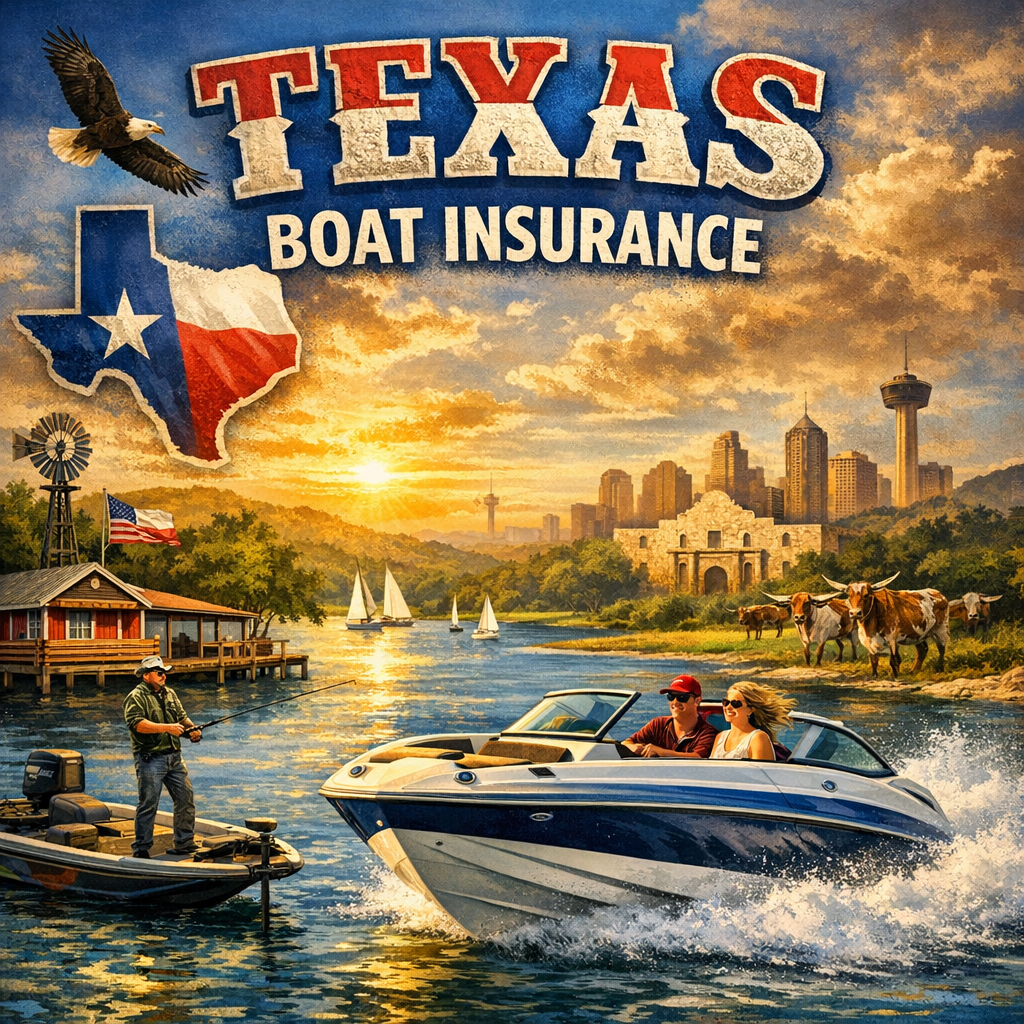
  • Different Types Of Texas Boat Insurance

    Owning a boat in Texas means endless opportunities for fun on the water. But it also comes with important responsibilities. Just like auto insurance, having the right boat insurance is essential for protecting your investment. Also, for ensuring peace of mind during every adventure. Understanding the different types of Texas boat insurance available can help you make informed decisions and tailor your coverage.  Let’s explore the various boat insurance options and what they can offer Texas boaters.

    Understanding the Basics of Texas Boat Insurance

    Boat insurance in Texas is designed to protect both the vessel and its owner from a range of potential risks. While Texas law does not require boat owners to carry insurance, marinas, lenders, or local authorities might have their own mandates. Without insurance, you could be left vulnerable to costly repairs, liability claims, or even the loss of your boat.  

    The most basic boat insurance policies typically cover damage to your watercraft. Also covered are medical payments and liability for injuries or property damage you cause to others. Coverage options can often be customized based on your boat’s size, type, and how you use it. Whether for fishing, cruising, or watersports. Understanding these foundational aspects can help you navigate the more complex choices.  

    It’s also important to note that different policies may have exclusions or limitations. Especially regarding where you operate your boat or who is allowed to drive it. Carefully reviewing policy details ensures you’re not caught off guard in the event of an accident. By starting with the basics, Texas boaters can build a solid foundation for more comprehensive or specialized insurance. 

    Liability Coverage: Protecting Yourself and Others

    Liability coverage is one of the most critical aspects of Texas boat insurance. This type of coverage steps in if you’re found responsible for injuring someone else.  Or damaging their property while operating your boat. Given the popularity of lakes and coastlines in Texas, accidents can happen. Making liability insurance a smart investment for anyone spending time on the water.

    In practical terms, liability coverage can help pay for medical expenses, legal fees, and repairs or replacement of another person’s property. For example, if you accidentally collide with another boat or damage a dock, your liability insurance would help cover those costs up to the policy’s limits. Without this protection, you could be personally responsible for significant financial losses.

    Liability insurance policies often allow boaters to choose coverage limits that reflect their risk tolerance and the value of their assets. Some policies even offer additional options, like uninsured boater coverage, to further protect you in case the other party has inadequate insurance. Overall, liability coverage is a cornerstone of responsible boat ownership in Texas.

    Comprehensive Coverage for Boat Owners in Texas

    While liability insurance addresses damage you cause to others, comprehensive boat insurance protects your own investment. This type of coverage extends to risks like theft, vandalism, fire, and weather-related damage—a real concern for Texas boaters given the state’s unpredictable storms and high winds. Comprehensive policies are especially valuable for newer, high-value boats or those stored in vulnerable locations.

    Comprehensive insurance can also cover your boat’s equipment and accessories, such as fishing gear, electronics, and safety equipment. Some policies even include towing assistance in case your boat is disabled on the water. Saving you from the hassle and cost of emergency services. Knowing that your vessel is protected from a wide range of threats allows you to fully enjoy your time.  

    It’s important to read the fine print. Comprehensive policies can differ in what perils they cover and the amount of your deductible. Some may exclude certain types of wear and tear or damage from lack of maintenance. Discuss your needs with an experienced agent to ensure you get the right coverage. 

    Specialized Policies for Unique Watercraft Needs

    Not all boats are created equal, and Texas boat owners often use a variety of watercraft. From jet skis and sailboats to high-performance speedboats and houseboats. Insurance companies offer specialized policies tailored to the unique risks and requirements.  This allows you to get the right level of protection, no matter how you choose to explore Texas waters.

    For instance, personal watercraft (PWCs) like jet skis may require specific policies due to their increased risk of accidents or theft. Similarly, coverage for larger vessels or liveaboard boats might include provisions for extended navigation ranges. Also, onboard equipment, and personal belongings. Some insurers even offer custom policies for antique or classic boats, recognizing their unique value and restoration needs.

    If you use your boat for commercial purposes, such as charter fishing or tours, you’ll need commercial boat insurance, which comes with its own set of regulations and coverage options. Working with an agent who understands the ins and outs of specialized watercraft can make all the difference in ensuring you’re fully protected.

    Choosing the Right Insurance for Your Texas Boat

    With so many insurance choices available in Texas, selecting the right policy for your boat can feel overwhelming. Start by assessing your vessel’s value and how often you use it. Where it’s stored, and any special equipment or modifications. This information will help you and your insurance agent identify the coverage types and limits that best fit.  

    Don’t be afraid to shop around and compare quotes from multiple providers. Look for companies with a strong reputation for customer service and claims handling. As well as those offering discounts for safety courses or bundling multiple policies. Reading customer reviews and asking fellow boaters about their experiences can also provide valuable insights.

    Ultimately, the right boat insurance policy gives you the confidence to enjoy Texas waterways, knowing both you and your investment are secure. Take the time to understand your options, ask questions, and customize your coverage.

    Conclusion

    Boating is a cherished pastime in Texas, but it’s not without risks. By understanding the different types of boat insurance available, you can protect yourself, your passengers, and your prized watercraft.  Whether you opt for basic liability, comprehensive coverage, or a specialized policy, investing in the right insurance is a smart decision.  With the right protection in place, all that’s left to do is set sail and enjoy the Lone Star State’s beautiful waters.


In Case You Missed It

Seach Topics